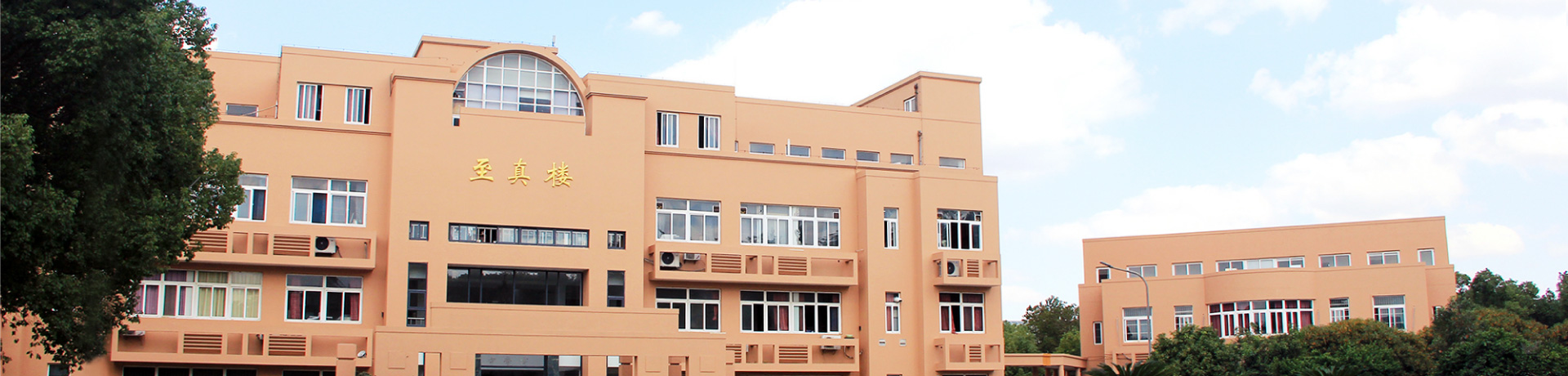
Why does eating ice cream make you happy? Why do you feel a sense of accomplishment after completing a task? All of this is related to the "reward mechanism" in our brains! On October 18th, in the Zhizhen Building of the Ningbo University Medical School, a popular science lecture titled "The Brain's Reward Mechanism" joyfully began for over 30 parent-child groups. This activity was led by Dr. Shen Wenwen from the Ningbo University affiliated Kangning Hospital, who guided the children and parents in exploring "h������ow the brain makes us feel happy."
"What makes you feel good?" Dr. Shen asked right at the start. The children ru��������shed to answer: "Eating candy!", "Playing games!", "Going out with mom and dad!"... The atmosphere was instantly ignited!
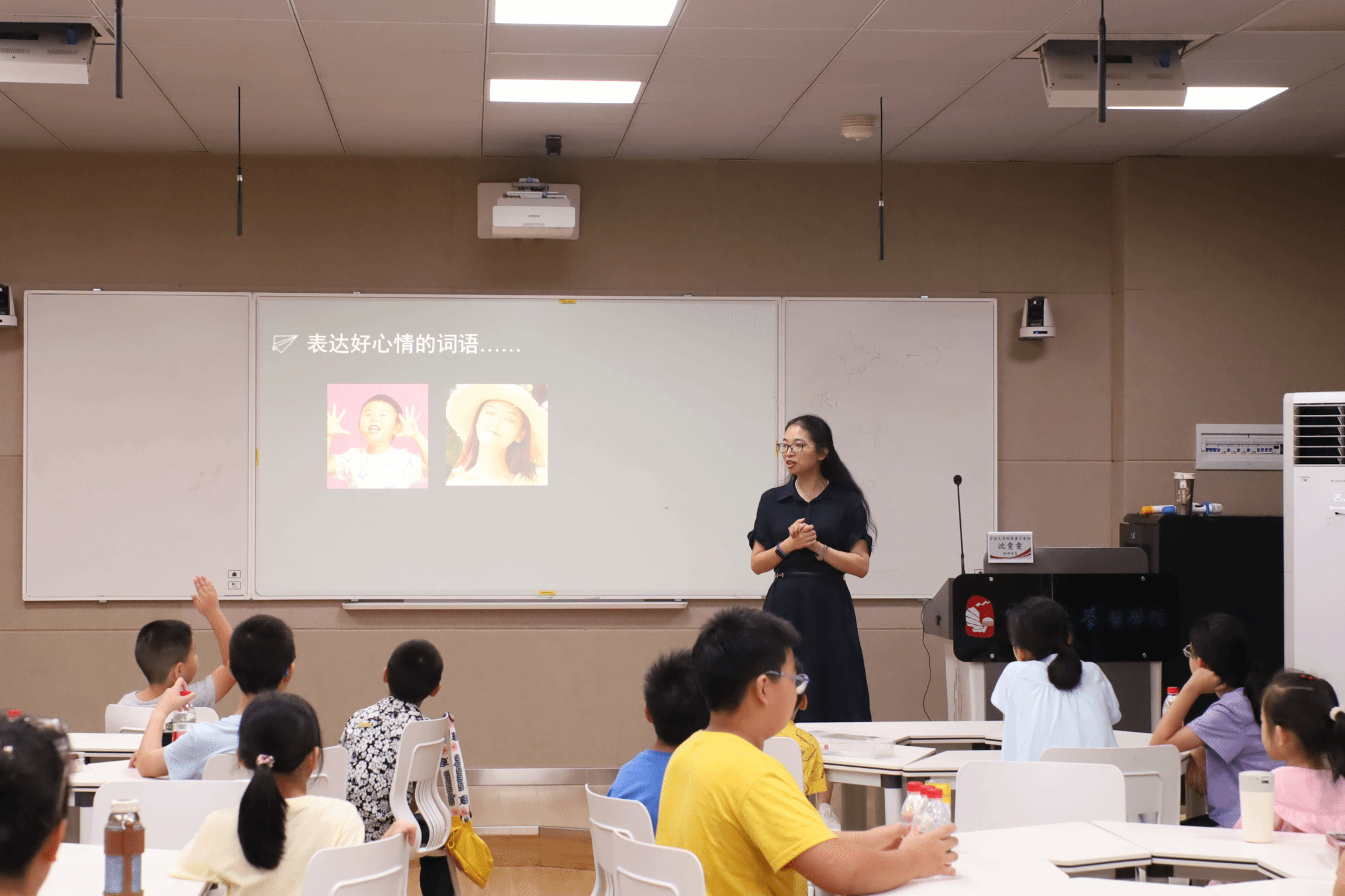
Using vivid pictures and simple language, Dr. Shen explained the "reward circuit" responsible for happiness in the brain—how the prefrontal cortex, striatum, and ventral tegmental area collaborate. She also discussed why we have these positive feelings: from the survival needs of primitive times to the sense of progress and achievement in modern life. The activity also touched on the problems caused by "excessive stimulation," such as tolerance and withdrawal. Following this, she specially guided everyone in reading Mu Xin's poem "Once Upon a Time, It Was Slow," prompting everyone to reflect: in our fast-paced modern lives, do we also need to appropriately "reduce stimulation" and rediscover inner peace and satisfaction? Dr. Shen also posed several interesting questions: Is depression related to the inhibition of the reward circuit? How do personali�������ty traits and environmental stress affect our mood? Although the children were young, they actively participated and demonstrated impressive thinking skills!
The one-and-a-half-hour science popularization session ended amidst laughter and joy. Many parents expressed: "So neuroscience can be this interesting too!" This was not only a warm collision between science and childlike innocence but also a joyful journey of brain exploration. The Medical School plans to launch more popular science activities like this in the future, allowing children to fall in love with science through int�������eraction and grow up healthily through happy exploration!