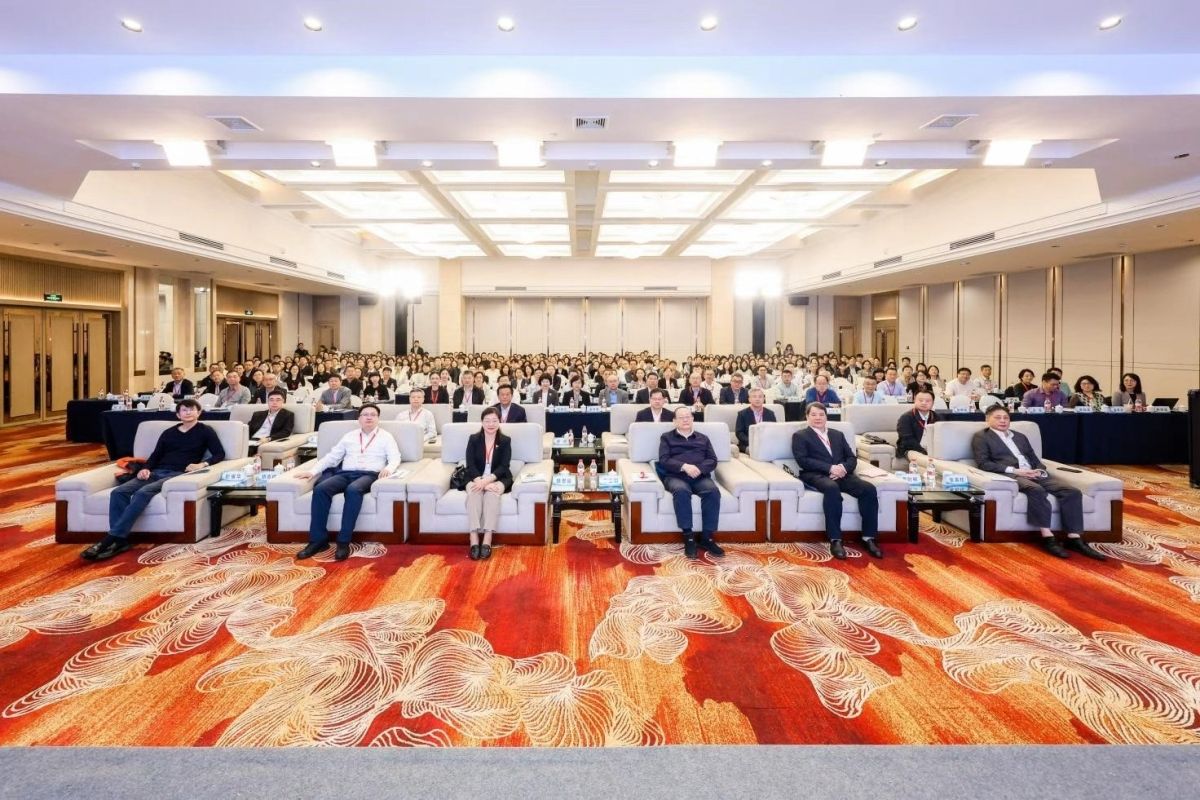
From October 24th to 26th, the National Epidemiological Academic Conference was held in Ningbo. The conference facilitated in-depth exchanges on key topics including the prevention and control of chronic diseases, surveillance and early warning systems, health and medical b��������ig data, and the application of artificial intelligence. Through cutting-edge knowledge sharing and intellectual discourse, the conference further contributed professional expertise to advancing the "Healthy China" initiative.
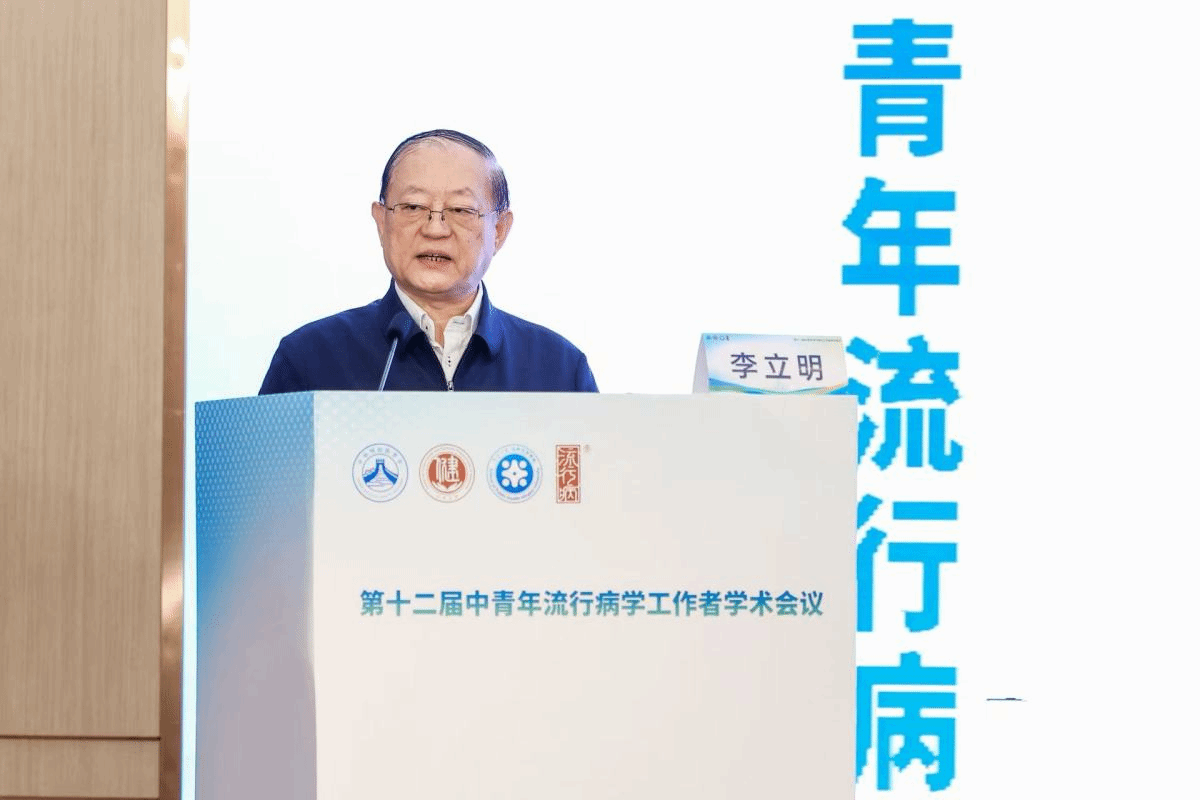
Top experts in the fi�����eld of epidemiology from across the country gathered at the event. Professors Li Liming and Zhan Siyan from Peking University, Professor Hu Zhibin, President of Nanjing Medical University, and researchers Shi Xiaoming and Li Qun, Deputy Directors of the Chinese Center for Disease Control and Prevention, among other distinguished scholars, presented the latest progress from the China Chronic Disease Prospective Study, explored multi-point triggered surveillance and early warning technologies for infectious diseases, and shared forward-thinking insights on "AI-assisted epidem������iological education."
Professor Xu Jin from Ningbo University presented research findings on "Immune Signature Analysis of Gestational Diabetes Mellitus Driven by Multi-Omics Data." This work represents a significant exploration in precision medicine based on birth cohorts, highli������ghting the innovative capacity of Ningbo's research teams.
The successful hosting of this conference also demonstrated Ningbo's growing influence ������in medical research and public health. "Ningbo University will seize this opportunity to deepen collaboration with peers, further enhance scientific innovation and ta�������lent cultivation, and contribute to strengthening the national public health defense," said Zhang Zhenzhu, Deputy Secretary of the CPC Ningbo University Committee.
In recent years, with the advancement of Ningbo's "Medical Excellence" initiative, the Ningbo University School of Medicine has been upgraded to a Medical Department. It currently hosts one first-tier doctoral program and a postdoctoral res����earch station, operates six directly affiliated hospitals, and will soon open a 76,000-square-meter comprehensive building for the Medical Department next year. Medical education in Ningbo is now on a fast-track development path.